
 Tiếng Việt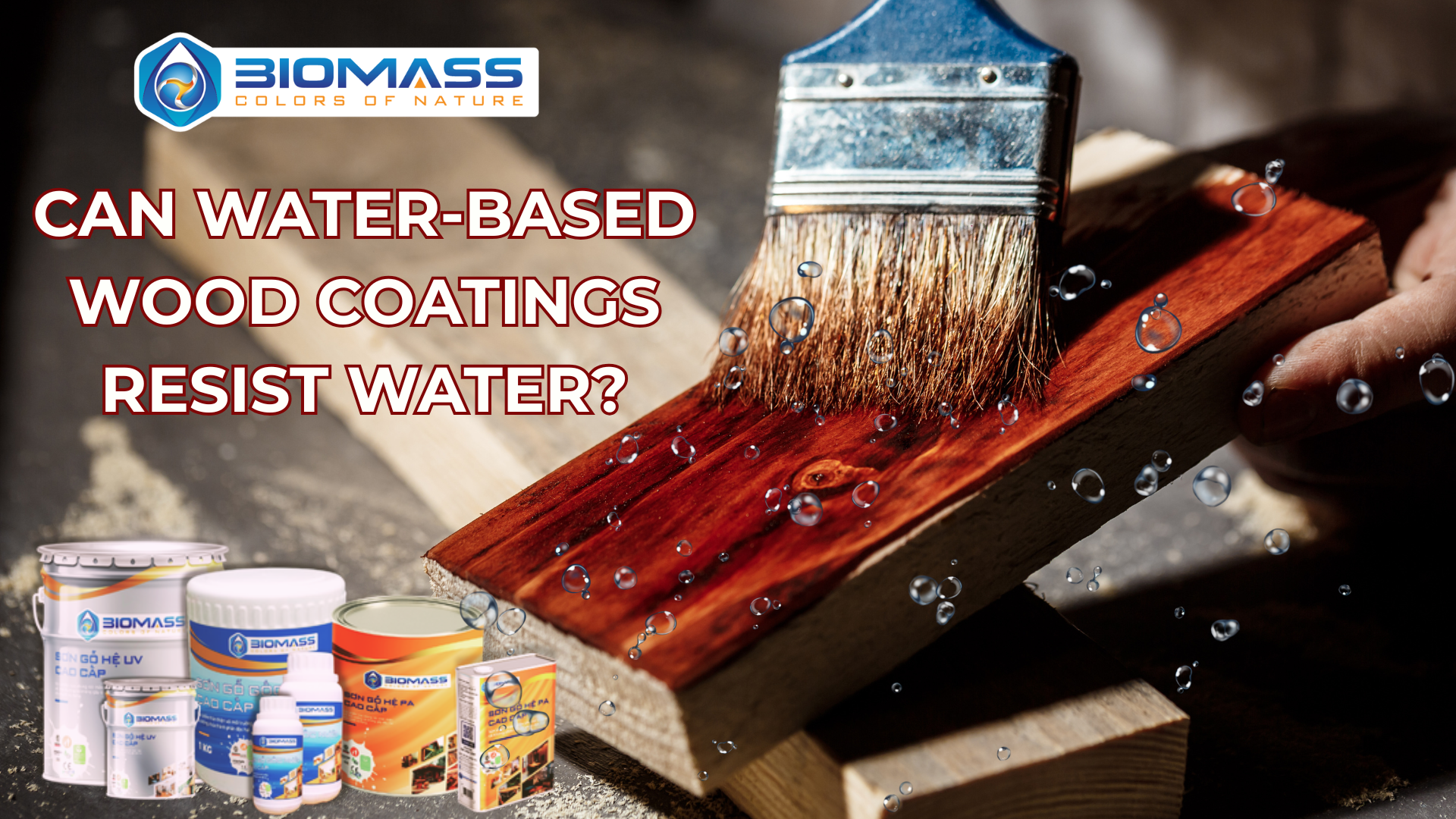
Tin Biomass
Are Water-Based Coatings Waterproof? Understanding the Water Resistance of Biomass Water-Based Coatings
Do Water-Based Coatings Resist Water? Yes. Modern water-based coatings can offer excellent water and moisture resistance when formulated with the right technology and applied correctly.
This is also one of the most common questions among woodworking workshops, furniture manufacturers, and consumers when choosing Biomass water-based wood coatings.
Many people assume that water-based coatings are easily damaged or peeled by water because water is used as the carrier during application. However, this understanding is not entirely accurate.
The water resistance of a coating is not simply determined by whether it is water-based or solvent-based. Instead, it depends on factors such as resin technology, film-forming properties, additives, curing mechanisms, the overall coating system, and proper application procedures.
What Are Water-Based Coatings?
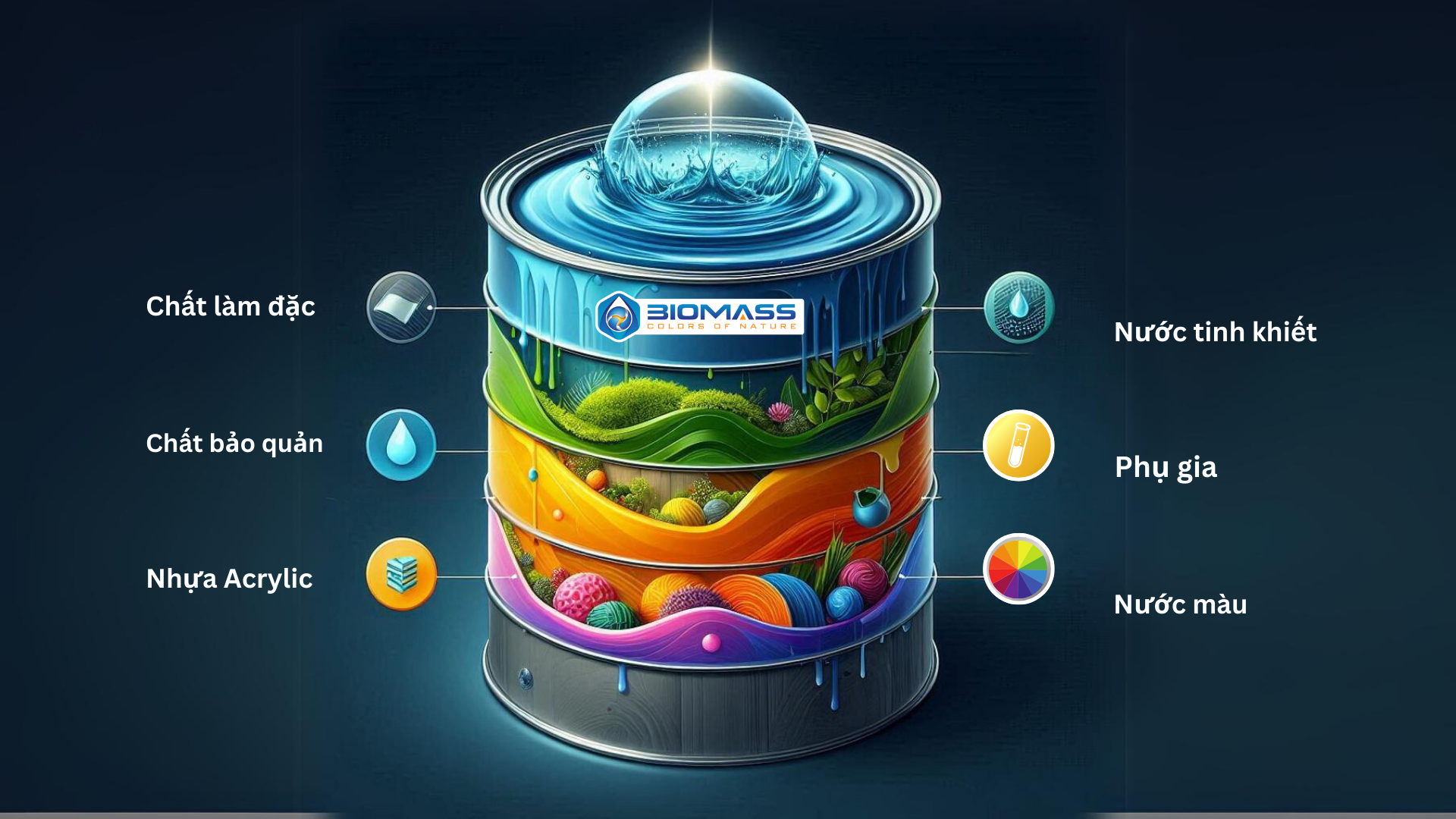
Water-based coatings are coatings that use water as the dispersing medium or carrier for the components within the coating system, instead of relying on large amounts of organic solvents like many traditional solvent-based coatings. Simply put, water-based coatings can generally be diluted with water, while solvent-based coatings are typically diluted with solvents such as mineral spirits.
During application, the water evaporates, allowing the film-forming components to form a protective coating on the surface of the material. Once properly dried or cured, the coating film can still achieve a certain level of hardness as specified by the manufacturer.
Therefore:
Being water-based does not mean that the coating will dissolve in water or easily peel off once it has dried.
For Biomass water-based wood coatings, the coating technology is developed to meet requirements for adhesion, surface protection, aesthetic appearance, and water resistance, depending on the specific product system.
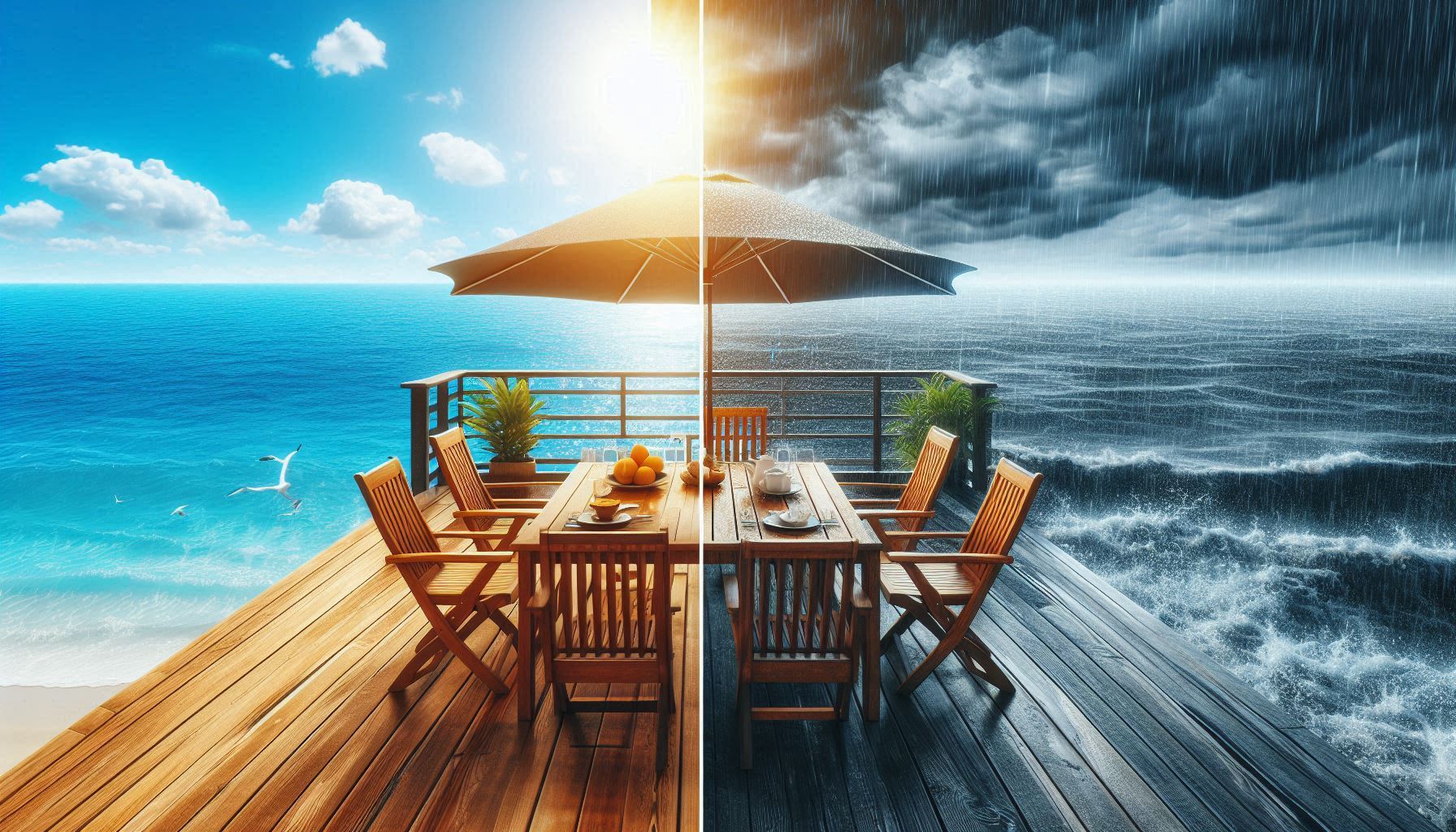
Why Can Water-Based Coatings Still Be Water-Resistant?
This is a common misconception.
Although water is used during the production and application of water-based coatings, water itself is not the sole factor determining the properties of the coating film after it has dried and cured.
The water resistance of a coating depends on multiple factors.
1. Resin Technology
The film-forming resin is one of the key components determining the performance of a coating.
A suitable resin system can help improve:
- Adhesion
- Hardness
- Flexibility
- Water resistance
- Moisture resistance
- Abrasion resistance
Therefore, two products can both be water-based but have different levels of water resistance, as their performance also depends on their formulations and raw materials.
2. Curing Mechanism
After application, the coating does not simply “dry.” It may continue to undergo a curing process.
Some coating technologies use cross-linking or self-cross-linking mechanisms to create a more stable and durable film structure.
This is one of the factors that can affect the coating’s water resistance and overall durability.
3. Additives
The additives selected in a coating formulation can also influence:
- Water resistance
- Flow and leveling
- Adhesion
- Foam control
- Scratch resistance
- UV resistance
- Surface durability
Therefore, when choosing water-based wood coatings, you should not focus solely on the term “water-based.” It is important to consider the coating technology, formulation, and technical specifications of the product.

Will Water-Based Coatings Peel When Exposed to Water?
Not necessarily.
A water-based coating system that is properly formulated and correctly applied can provide good water resistance.
However, the coating may still peel, crack, or deteriorate under certain conditions, such as:
- The wood surface has not been properly prepared
- The moisture content of the wood is too high
- The coating has not fully dried or cured
- The coating is applied outside the recommended coverage rate
- The drying time between coats is insufficient or inappropriate
- The coating layers are incompatible
- The surface is exposed to water for prolonged periods
- The conditions of use exceed the product’s intended performance specifications
For wood products in particular, it is important to remember that wood naturally absorbs and releases moisture. As moisture levels change, wood can expand and contract, which may affect the long-term durability and performance of the coating system.
Is Biomass Water-Based Coating Suitable for Wood Furniture?
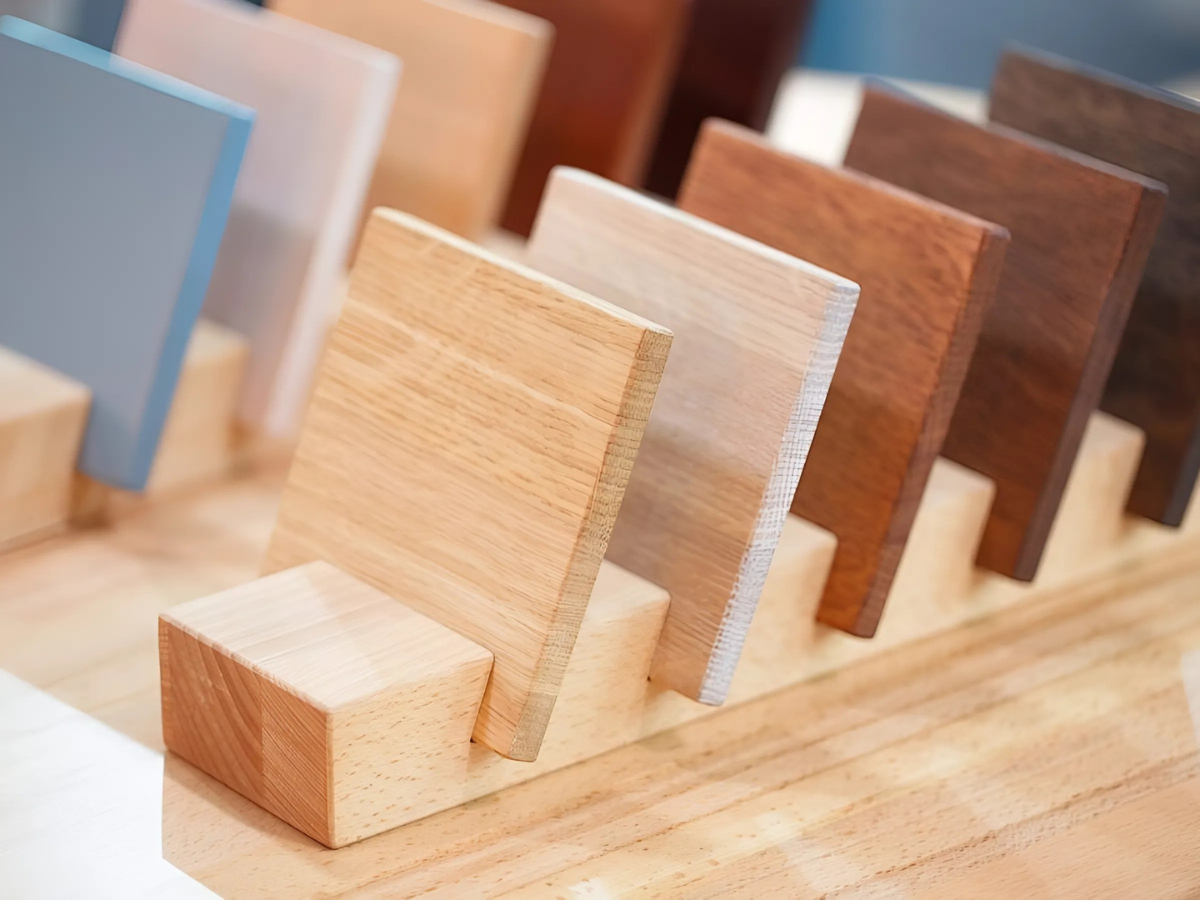
Yes. Biomass water-based wood coatings are developed for a wide range of interior and exterior wood finishing applications across various types of wood, including:
- MDF / HDF
- Natural wood
- Rattan / Bamboo / Woven leaves
- Engineered wood / Plywood
- Veneer
For each product and application, requirements for water resistance, hardness, adhesion, scratch resistance, UV resistance, and surface durability may vary. Different types of wood also have their own unique characteristics and performance requirements.
Therefore, choosing the right coating system for the right application is essential to achieve the desired performance and durability.
Are Biomass Water-Based Coatings Moisture-Resistant?
The moisture resistance of water-based coatings depends on the specific formulation and product system.
It is important to distinguish between:
Water Resistance: The ability of a coating to limit the effects of water on the surface under certain conditions.
Moisture Resistance: The ability of a coating to withstand exposure to environments with high humidity.
Waterproofing: The ability to prevent water from penetrating through a material or structure, which is typically a requirement of specialized waterproofing systems.
Therefore, Biomass water-based wood coatings should not automatically be considered waterproofing coatings.
For each application, the appropriate product should be selected based on its technical specifications and the manufacturer’s application guidelines.
Biomass Water-Based Coatings vs. Solvent-Based Coatings: Which Offers Better Water Resistance?
It is not possible to determine which type provides better water resistance simply based on whether a coating is water-based or solvent-based.
Water resistance depends on multiple factors, including:
Resin technology + formulation + additives + curing mechanism + coating system + application process.
A properly formulated and engineered water-based coating system can meet the water-resistance requirements of many interior and wood furniture applications.
Therefore, instead of simply asking:
“Which is more water-resistant: water-based or solvent-based coatings?”
A better question is:
“How has the product’s water resistance been tested, what test results were obtained, and what conditions of use is the product designed for?”
How Can Biomass Water-Based Coatings Achieve Better Water Resistance?
Achieving effective surface protection depends not only on the coating itself but also on the entire finishing process.
1. Control the Moisture Content of the Wood
The wood should have an appropriate moisture content before coating to help ensure better adhesion and coating stability.
2. Prepare the Surface Properly
The surface should be clean, dry, and free from oil, dust, or other contaminants that may affect adhesion.
3. Use the Correct Coating System
Use a compatible primer – color coat – topcoat system according to the manufacturer’s technical guidelines.
4. Allow Sufficient Drying and Curing Time
The finished product should not be put into use or exposed to water too soon, before the coating has reached the appropriate level of drying and curing.
5. Use the Product for Its Intended Application
A coating system designed for interior applications should not automatically be used outdoors or in environments with frequent water exposure unless the product has been specifically formulated and tested for those conditions.
FAQ – Frequently Asked Questions About Biomass Water-Based Coatings
Are Biomass water-based coatings water-resistant?
Yes, depending on the specific product and coating system. Actual performance depends on the formulation, coating system, substrate, and application process.
Will water wash off a water-based coating?
Once properly applied, dried, and cured, a water-based coating does not simply dissolve or wash away when exposed to water as commonly assumed. Actual water resistance depends on the specific product and coating system.
Can Biomass water-based coatings be used on wood furniture?
Yes. Biomass develops a range of water-based wood coatings for various wood furniture and interior applications, depending on the specific product system.
Are Biomass water-based coatings moisture-resistant?
Some product systems may be formulated to provide moisture resistance. However, moisture resistance does not mean complete waterproofing. Always refer to the technical specifications of the specific product.
Are water-based coatings suitable for interior applications?
Yes. Water-based coatings are a popular choice for many interior and wood finishing applications, particularly as part of modern finishing solutions.
Conclusion: Are Biomass Water-Based Coatings Water-Resistant?
Water-based coatings can provide good water resistance when formulated with the appropriate technology and applied correctly.
For Biomass water-based wood coatings, the key is not simply choosing a “water-based” product, but selecting the right coating system, the right application, and the right application process.
Overall surface protection is determined by:
Resin Technology → Formulation → Water Resistance → Coating System → Application Process → Conditions of Use
Biomass – Next-Generation Water-Based Wood Coatings.
Better-looking surfaces – More modern spaces – Moving toward greener, cleaner, and safer finishing solutions.